
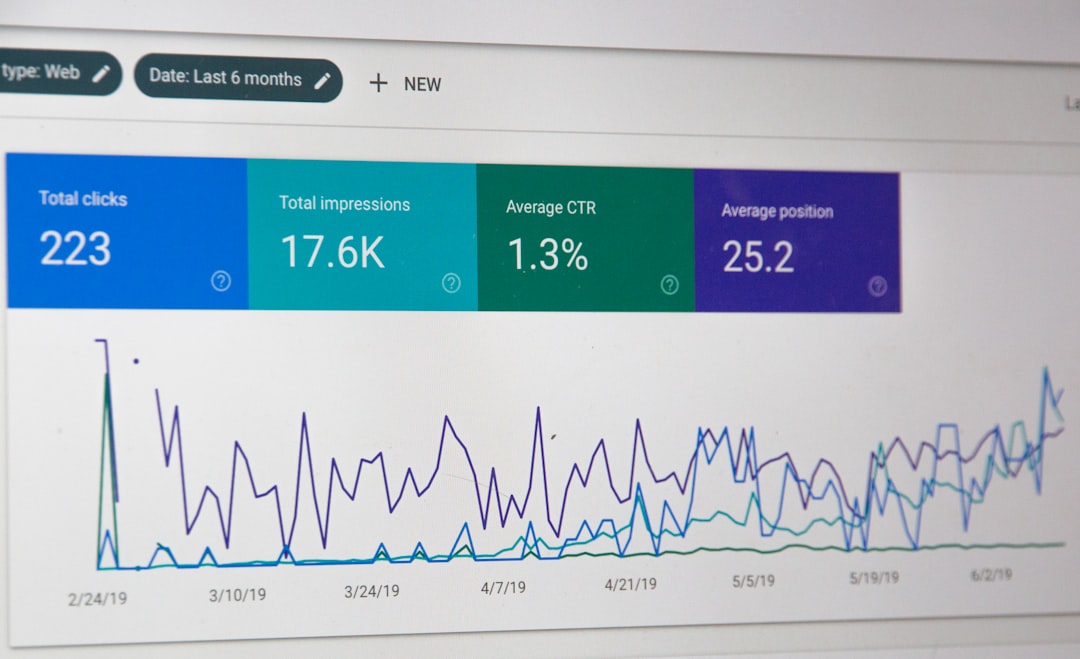
Yoast is still worth installing in 2026. Yoast is the most popular WordPress SEO plugin, used on over 13 million websites worldwide, providing on-page SEO analysis, XML sitemap generation, schema markup, breadcrumb navigation, and readability scoring. That foundation is real. But Yoast sets the stage for content to rank — it does not produce the content, schedule it, or scale it.
What Yoast SEO Does Better Than Almost Any Plugin

Yoast provides real-time content optimization guidance with traffic-light scoring for both SEO and readability. The first-run wizard takes under four minutes and auto-detects your sitemap URL, sets the correct robots meta, and applies default schema. Yoast’s readability checker helps you write clearer content that keeps humans engaged — and in testing, AIOSEO’s content analysis was found to be less detailed than Yoast’s readability checker.
The 3 Things Yoast Can’t Handle (And Why That Matters in 2026)
Yoast optimizes content. It does not create it, schedule it, or help you build a publishing calendar. The 1,000-word limit on the Yoast AI Optimize feature shows its focus is on polishing smaller bits of text, not creating whole articles. Yoast has no native content calendar, no bulk scheduling, and charges per site for premium features, making it expensive for agencies managing more than two or three WordPress installations. After installation, Yoast adds 12 new database tables and an indexing process that can briefly spike CPU usage to 95% on shared hosting.
Yoast vs. Rank Math vs. All in One SEO: The Honest Comparison
| Feature | Yoast Free | Yoast Premium | Rank Math Free | AIOSEO Pro |
|---|---|---|---|---|
| On-page SEO analysis | 1 keyword | Up to 5 keywords | Unlimited keywords | TruSEO score |
| Readability analysis | Strongest in class | Strongest in class | Basic | Less detailed |
| XML Sitemap | Yes | Yes | Yes | Yes |
| Schema markup | Limited | Good | Excellent (18+ free) | Good |
| Redirect manager | No | Yes | Yes (free) | Yes |
| Internal linking suggestions | No | Yes | No (Pro only) | Yes |
| Multi-site pricing | Good (free) | Per-site only | $59/yr unlimited sites | Agency plans |
| Content creation or scheduling | None | None | None | None |
Multiple plugin roundups in 2026 agree: Rank Math usually gives the best overall value for features per dollar, Yoast is the safest choice for beginners, and AIOSEO works well for agencies and store owners. None of them solve the content creation problem.
Do You Need Yoast and Something Else? The Real Workflow Breakdown

No WordPress SEO plugin handles the full content production cycle. At four posts a month using Yoast alone, you spend 16 to 24 hours on content before any promotion. A mid-tier agency charges $3,000 to $5,000 per month and four posts a month rarely moves the needle in a competitive niche.
Yoast handles everything below the content layer: schema, sitemaps, readability scoring, meta tags, and redirects. ClearPost handles everything above it. ClearPost generates a fully researched, SEO-structured draft based on a target keyword. You approve it. ClearPost publishes to WordPress. Yoast analyzes it automatically. Instead of 4 to 6 hours per post, you spend 20 to 30 minutes reviewing. See our breakdown of the best AI blog post generators for WordPress in 2026.
What It Costs to Run Yoast (Free vs. Premium vs. Agency)

| Setup | Annual Cost | Posts Per Month | Hours Per Month |
|---|---|---|---|
| Yoast Free only | $0 | 2 to 4 | 12 to 24 hrs |
| Yoast Premium only | $99/yr | 2 to 4 | 12 to 24 hrs |
| Content agency retainer | $36,000 to $60,000/yr | 4 to 8 | 4 to 8 hrs |
| Yoast Free + ClearPost | ClearPost subscription | 12 to 20 | 4 to 8 hrs |
Free users get just 10 AI Sparks total. Yoast SEO Premium costs $99 USD per year per site and adds a redirect manager, up to 5 focus keyphrases, internal linking suggestions, and Yoast SEO Academy. The WooCommerce bundle runs $178.80/yr and AI Brand Insights $358.80/yr.
Frequently Asked Questions About Yoast SEO
Here are the questions we hear most often from WordPress site owners evaluating Yoast for the first time or reconsidering their current setup.
Your Next Step: Build a Complete WordPress SEO Stack
Yoast SEO remains a solid choice for WordPress users in 2026 — reliable real-time guidance, best-in-class readability analysis, and automatic schema and sitemaps in the background. But foundation is not the same as a content operation. Keep Yoast doing what it does well, and add ClearPost to handle the content production layer on top of it. AI does the heavy lifting. You approve every post before it goes live. No long onboarding, no agency overhead, cancel anytime.
Try ClearPost free for 7 days and see what a complete WordPress SEO stack actually looks like in practice.
Frequently Asked Questions
Is Yoast SEO free good enough, or do I need Premium?
Yoast Free covers the essentials: on-page SEO analysis, readability scoring, XML sitemaps, and basic schema. The main limitations are one focus keyword per post, no redirect manager, no internal linking suggestions, and AI features capped at 10 total Sparks. Premium at $99 per year per site is worth considering if you need redirects or multi-keyword support — but check whether Rank Math Free covers your needs at zero cost first.
Does Yoast SEO slow down my WordPress site?
It can, especially on entry-level shared hosting. Yoast adds 12 new database tables on installation and runs a content indexing process that can spike CPU usage temporarily on larger sites. Rank Math has been found to use significantly less memory in performance benchmarks. If site speed is a priority and you are on shared hosting, this is worth testing before committing to Yoast long-term.
Can Yoast SEO create content or help me write blog posts?
No. Yoast optimizes content that you have already written. It does not draft, outline, or schedule posts. Its AI features (available in Premium) help with meta descriptions, title generation, and limited paragraph optimization for texts up to 1,000 words. For full content production at scale, you need a separate tool like ClearPost that handles research, drafting, and publishing alongside Yoast’s SEO foundation.
How does Yoast compare to Rank Math in 2026?
Rank Math’s free version includes features Yoast puts behind a $99 per year paywall, including a redirect manager, unlimited keyword optimization per post, 404 monitoring, and 18+ schema types. Rank Math Pro covers unlimited personal sites at around $59 per year versus Yoast’s per-site pricing. Yoast has an edge in readability analysis and is generally considered more beginner-friendly. For multi-site operators or power users, Rank Math offers better value.
Is it worth using Yoast SEO together with an AI content tool?
Yes. They solve different problems. Yoast handles the technical SEO layer: schema, sitemaps, meta tags, readability checks, and redirects. An AI content tool like ClearPost handles the content production layer: keyword research, drafting, and automated publishing to WordPress on a schedule. Running both means you get SEO infrastructure running automatically in the background while actually scaling your content output.
Yoast Free vs Premium: Is the Upgrade Worth $99/Year?
Yoast Premium costs $99 per year per site. That per-site pricing stings if you run more than two WordPress installations, but the question is whether the individual features justify the cost on a single site. Here is what you actually get and whether free alternatives exist for each.
- Redirect manager. Premium lets you create and manage 301/302 redirects from the Yoast dashboard. Useful, but the free Redirection plugin does the same thing with more granular controls and regex support. Verdict: free alternative is equal or better.
- Internal linking suggestions. Yoast Premium scans your existing content and suggests related posts to link while you write. This is genuinely useful for sites with 50+ posts where you lose track of your own content. No free plugin replicates this well — you would need to search manually or use a spreadsheet. Verdict: real value-add.
- Multiple focus keyphrases (up to 5). Free Yoast limits you to one focus keyword per post. Premium lets you optimize for up to five. Rank Math Free gives you unlimited keywords at zero cost, so this is only a differentiator if you are committed to staying in the Yoast ecosystem. Verdict: Rank Math makes this a non-argument.
- IndexNow integration. Premium pings Bing and Yandex automatically when you publish or update content, requesting faster indexing. Google does not support IndexNow, so the practical benefit is limited to Bing traffic — meaningful for some B2B niches, negligible for most sites. Verdict: nice to have, not a purchase driver.
- Yoast SEO Academy access. Full access to their course library on SEO fundamentals, structured data, and copywriting. The content is solid for beginners, but free resources from Google’s own Search Central documentation cover similar ground. Verdict: helpful if you learn better through structured courses.
- Email support. Free users get community forums only. Premium gets direct email support with Yoast’s team. Response times are typically 24 to 48 hours. Verdict: matters if you run a business site and cannot afford to troubleshoot alone.
The bottom line: upgrade if you manage a single business site with 50+ posts and value the internal linking suggestions and direct support. Stay on Yoast Free if you run multiple sites (Rank Math’s pricing is far better), if your site has fewer than 30 posts, or if you already use free plugins for redirects. The $99 is not unreasonable — it is just hard to justify when competitors bundle most of these features into their free tiers, as our Yoast Premium review breaks down in more detail. For the full setup walkthrough regardless of which tier you choose, see our Yoast setup guide.
Yoast’s Biggest Gaps in 2026
Yoast is strong at on-page optimization, but the SEO landscape has expanded well beyond meta titles and readability scores. Here are the areas where Yoast still leaves you on your own — and what fills each gap.
No Built-In Keyword Research
Yoast tells you whether your content is optimized for a keyword. It does not help you find the right keyword in the first place. You still need Semrush, Ahrefs, or Ubersuggest to identify search volume, keyword difficulty, and content gaps. This is arguably the most important step in any SEO workflow, and Yoast simply skips it.
Schema Markup Limited in the Free Tier
Yoast Free generates basic Article and WebPage schema automatically, but if you need FAQ, HowTo, Product, Recipe, or Event schema, you need Premium or a separate plugin. AIOSEO offers more schema types in its free version — see our AIOSEO review for the full comparison. Rank Math Free includes 18+ schema types out of the box.
No Content Generation or AI Writing
Yoast’s AI features are limited to meta description generation and short-text optimization capped at 1,000 words. It does not draft articles, build outlines, or handle content production at any scale. Rank Math Content AI is a step closer but still focused on optimization rather than full-draft generation. For actual content production paired with WordPress publishing, you need a dedicated tool — see our roundup of AI content writing plugins for what is available in 2026.
No Link Building or Outreach
Yoast does nothing for off-page SEO. No backlink monitoring, no outreach templates, no competitor link analysis. Tools like Ahrefs, Semrush, or even free options like Google Search Console’s Links report are necessary to understand and improve your backlink profile.
No Site Audit or Technical Crawl
Yoast handles robots meta and sitemaps but cannot crawl your site for broken links, orphan pages, duplicate content, or crawl budget issues. Screaming Frog (free up to 500 URLs) or Sitebulb fills this gap. For a broader look at tools that cover technical SEO, see our guide to the best automated SEO tools.
The Complete Yoast SEO Stack for 2026
No single plugin covers every SEO function. Here is a practical stack that pairs Yoast with purpose-built tools for a complete workflow — and what each layer costs.
| Role | Tool | Cost |
|---|---|---|
| On-page SEO & technical foundation | Yoast SEO Free | $0 |
| Performance monitoring | Google Search Console | $0 |
| Keyword research | Ubersuggest or Semrush | $0 to $130/mo |
| Content production & publishing | ClearPost | Subscription (7-day free trial) |
| Technical site audit | Screaming Frog | $0 (up to 500 URLs) / $259/yr |
| Backlink monitoring | Ahrefs or Google Search Console | $0 to $129/mo |
The most common mistake is expecting Yoast to be the entire stack. It is one layer — the on-page foundation. The sites that actually grow organic traffic in 2026 are the ones that pair that foundation with consistent content production and regular technical audits. Try ClearPost free to see how the content production layer works on top of Yoast.
Frequently Asked Questions
Is Yoast still the best WordPress SEO plugin in 2026?
Yoast is still the most widely installed and the most beginner-friendly, but “best” depends on what you need. Rank Math offers more features in its free tier, including unlimited focus keywords and 18+ schema types. AIOSEO is stronger for WooCommerce and agency use cases. Yoast wins on readability analysis and first-time setup simplicity. If you are choosing for the first time, Yoast Free is the safest starting point — you can always switch later without losing your content.
Does Yoast work with the WordPress block editor?
Yes. Yoast is fully compatible with the Gutenberg block editor and has been since WordPress 5.0. The SEO analysis panel, readability scoring, and meta fields all appear in the block editor sidebar. Yoast also works with the Classic Editor plugin if you prefer the older interface.
Can Yoast handle local SEO?
Only with the paid Local SEO add-on ($79/year on top of Premium). It adds LocalBusiness schema, a store locator, Google Maps integration, and opening hours markup. If you only need basic local schema, Rank Math Free includes LocalBusiness schema at no cost. The Yoast add-on is worth it primarily for multi-location businesses that need the store locator functionality.
Is Yoast compatible with multilingual plugins like WPML?
Yes. Yoast has official integration with WPML and Polylang. It generates separate sitemaps per language, handles hreflang tags automatically, and lets you set unique SEO titles and meta descriptions for each translation. This works in both the free and premium versions.
What’s the difference between Yoast and Rank Math?
The core difference is pricing philosophy. Rank Math gives away features (redirects, unlimited keywords, advanced schema, 404 monitoring) that Yoast charges $99/year for. Yoast’s advantages are stronger readability analysis, a smoother first-run wizard, and a larger support knowledge base built over 15 years. Rank Math Pro at $59/year covers unlimited personal sites versus Yoast’s per-site pricing. For a detailed feature breakdown across all major options, see our comparison of the best automated SEO tools.
{“@context”: “https://schema.org”, “@type”: “FAQPage”, “mainEntity”: [{“@type”: “Question”, “name”: “Is Yoast SEO free good enough, or do I need Premium?”, “acceptedAnswer”: {“@type”: “Answer”, “text”: “Yoast Free covers the essentials: on-page SEO analysis, readability scoring, XML sitemaps, and basic schema. The main limitations are one focus keyword per post, no redirect manager, no internal linking suggestions, and AI features capped at 10 total Sparks. Premium at $99 per year per site is worth considering if you need redirects or multi-keyword support — but check whether Rank Math Free covers your needs at zero cost first.”}}, {“@type”: “Question”, “name”: “Does Yoast SEO slow down my WordPress site?”, “acceptedAnswer”: {“@type”: “Answer”, “text”: “It can, especially on entry-level shared hosting. Yoast adds 12 new database tables on installation and runs a content indexing process that can spike CPU usage temporarily on larger sites. Rank Math has been found to use significantly less memory in performance benchmarks. If site speed is a priority and you are on shared hosting, this is worth testing before committing to Yoast long-term.”}}, {“@type”: “Question”, “name”: “Can Yoast SEO create content or help me write blog posts?”, “acceptedAnswer”: {“@type”: “Answer”, “text”: “No. Yoast optimizes content that you have already written. It does not draft, outline, or schedule posts. Its AI features (available in Premium) help with meta descriptions, title generation, and limited paragraph optimization for texts up to 1,000 words. For full content production at scale, you need a separate tool like ClearPost that handles research, drafting, and publishing alongside Yoast’s SEO foundation.”}}, {“@type”: “Question”, “name”: “How does Yoast compare to Rank Math in 2026?”, “acceptedAnswer”: {“@type”: “Answer”, “text”: “Rank Math’s free version includes features Yoast puts behind a $99 per year paywall, including a redirect manager, unlimited keyword optimization per post, 404 monitoring, and 18+ schema types. Rank Math Pro covers unlimited personal sites at around $59 per year versus Yoast’s per-site pricing. Yoast has an edge in readability analysis and is generally considered more beginner-friendly. For multi-site operators or power users, Rank Math offers better value.”}}, {“@type”: “Question”, “name”: “Is it worth using Yoast SEO together with an AI content tool?”, “acceptedAnswer”: {“@type”: “Answer”, “text”: “Yes. They solve different problems. Yoast handles the technical SEO layer: schema, sitemaps, meta tags, readability checks, and redirects. An AI content tool like ClearPost handles the content production layer: keyword research, drafting, and automated publishing to WordPress on a schedule. Running both means you get SEO infrastructure running automatically in the background while actually scaling your content output.”}}, {“@type”: “Question”, “name”: “Is Yoast still the best WordPress SEO plugin in 2026?”, “acceptedAnswer”: {“@type”: “Answer”, “text”: “Yoast is still the most widely installed and the most beginner-friendly, but “best” depends on what you need. Rank Math offers more features in its free tier, including unlimited focus keywords and 18+ schema types. AIOSEO is stronger for WooCommerce and agency use cases. Yoast wins on readability analysis and first-time setup simplicity. If you are choosing for the first time, Yoast Free is the safest starting point — you can always switch later without losing your content.”}}, {“@type”: “Question”, “name”: “Does Yoast work with the WordPress block editor?”, “acceptedAnswer”: {“@type”: “Answer”, “text”: “Yes. Yoast is fully compatible with the Gutenberg block editor and has been since WordPress 5.0. The SEO analysis panel, readability scoring, and meta fields all appear in the block editor sidebar. Yoast also works with the Classic Editor plugin if you prefer the older interface.”}}, {“@type”: “Question”, “name”: “Can Yoast handle local SEO?”, “acceptedAnswer”: {“@type”: “Answer”, “text”: “Only with the paid Local SEO add-on ($79/year on top of Premium). It adds LocalBusiness schema, a store locator, Google Maps integration, and opening hours markup. If you only need basic local schema, Rank Math Free includes LocalBusiness schema at no cost. The Yoast add-on is worth it primarily for multi-location businesses that need the store locator functionality.”}}, {“@type”: “Question”, “name”: “Is Yoast compatible with multilingual plugins like WPML?”, “acceptedAnswer”: {“@type”: “Answer”, “text”: “Yes. Yoast has official integration with WPML and Polylang. It generates separate sitemaps per language, handles hreflang tags automatically, and lets you set unique SEO titles and meta descriptions for each translation. This works in both the free and premium versions.”}}, {“@type”: “Question”, “name”: “What’s the difference between Yoast and Rank Math?”, “acceptedAnswer”: {“@type”: “Answer”, “text”: “The core difference is pricing philosophy. Rank Math gives away features (redirects, unlimited keywords, advanced schema, 404 monitoring) that Yoast charges $99/year for. Yoast’s advantages are stronger readability analysis, a smoother first-run wizard, and a larger support knowledge base built over 15 years. Rank Math Pro at $59/year covers unlimited personal sites versus Yoast’s per-site pricing. For a detailed feature breakdown across all major options, see our comparison of the best automated SEO tools.”}}]}