

You signed the agency retainer. Waited six months. Got four blog posts a month, a progress deck you barely opened, and a $3,500 bill that showed up like clockwork. Your Analytics barely moved. Now you’re looking at blog writing AI and wondering whether it’s the real thing or just another promise that costs less but delivers less too.
This guide cuts through the affiliate hype and vendor sales decks. You’ll see exactly what blog writing AI does well in a real WordPress publishing workflow, where it consistently falls short without human review, and how the per-post math actually compares to hiring an agency. By the end, you’ll have a decision framework, not a star rating.
What ‘Blog Writing AI’ Actually Means in 2026
Blog writing AI in 2026 is not one thing. It’s a spectrum, and where a tool sits on that spectrum determines whether it saves you 90 minutes per post or just adds a step to your existing workflow. Most buyers conflate three very different categories, and that confusion is what leads to disappointment.
Category 1: Generative Chat Models (ChatGPT, Claude, Gemini)
These are raw text engines. You type a prompt, you get text back. The output quality is genuinely impressive in 2026, especially from Claude, which produces the cleanest long-form drafts at the lowest editing burden. But these tools have no execution layer. They don’t know your site exists, can’t access your Google Search Console data, can’t publish to WordPress, and have no memory between sessions. You paste in, you paste out. Every connective step, from SEO optimization to internal linking to publishing, falls on you.
Category 2: AI-Assisted SEO Tools (Frase, Surfer, Clearscope)
These tools make you smarter, not faster. They pull SERP data, score your content against ranking competitors, and suggest keyword coverage gaps. The output is information. You still have to act on it: write the draft, format it, add internal links, push it to WordPress. Frase comes closest to a complete workflow with its native WordPress integration, but its AI-generated content still needs heavy editing before it’s publishable. The headline price looks reasonable until you realize you’re buying a research tool, not a publishing engine.
Category 3: Integrated AI Content Platforms
This is where blog writing AI gets genuinely useful for time-starved WordPress owners. An integrated platform connects to your site via the WordPress REST API, reads your existing content library, pulls your Search Console data, drafts posts grounded in real SERP analysis, handles on-page SEO automatically, and surfaces every draft in an approval queue before anything goes live. You’re not copy-pasting between tabs. You’re not reformatting headings. The workflow collapses from six steps to two: AI drafts, you approve.
The distinction matters because pricing and expectations shift dramatically across these categories. A $20/month ChatGPT subscription and a $299/month integrated platform both get called “blog writing AI” in marketing copy. They are not the same product. For a deeper breakdown of how an AI SEO agent fits into this landscape, our guide to AI SEO agents for WordPress walks through the full architecture.
What Blog Writing AI Gets Right (With Real Workflow Examples)
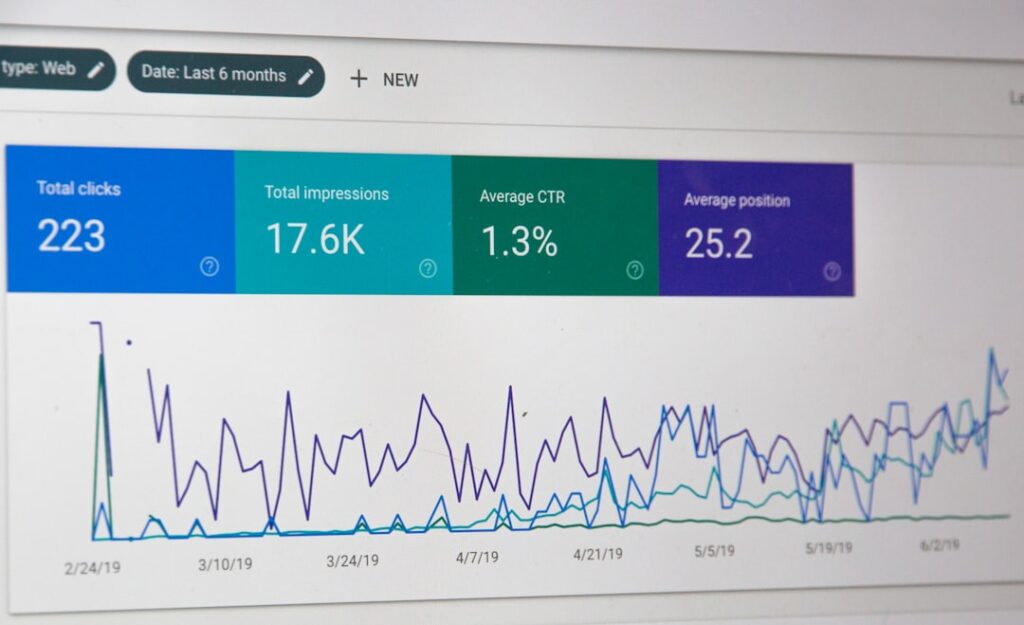
When configured correctly, blog writing AI handles the repeatable, time-consuming work that eats your week: research, drafting, SEO optimization, and publishing setup. Here’s what that looks like in practice, with real time estimates so you can calculate exactly what you’d save.
Drafting at Machine Speed
A well-briefed AI produces a 1,500-word draft in under two minutes. The same draft takes a freelance writer three to five business days. That’s not a marginal improvement. It’s the difference between publishing four posts a month and publishing twenty. For a solo founder who has been publishing nothing because there’s never enough time, this alone changes the trajectory of your site’s organic growth.
The key phrase is “well-briefed.” A blog writing AI tool that connects to live SERP data and your site’s existing content produces meaningfully better drafts than a blank chat window. It grounds the output in what’s already ranking and what you’ve already published, which means fewer generic paragraphs and fewer hallucinated claims. The draft arrives with a thesis that matches search intent, not a guess at what might be relevant.
SEO Architecture Built In
The part nobody enjoys: title tags, meta descriptions, heading hierarchy, schema markup, alt text, internal links. A capable blog writing AI platform handles all of this automatically during draft generation. The post arrives in your approval queue with Yoast or Rank Math fields pre-filled, a logical H2/H3 structure, and internal links to related posts in your content library already placed.
Without AI, this SEO cleanup takes 30 to 45 minutes per post. Across 10 posts a month, that’s 5 to 7.5 hours of SEO grunt work eliminated. For a one-person marketing team, those hours are the difference between publishing consistently and abandoning the blog by week three.
Publishing Without the Copy-Paste Tax
Here’s what the workflow looks like end to end when blog writing AI is integrated with WordPress:
- Step 1 (AI): The system identifies a content gap from your Search Console data and competitor analysis, then generates a structured brief grounded in live SERP data.
- Step 2 (AI): It drafts the full article, including heading hierarchy, internal links to existing posts, meta description, and schema markup.
- Step 3 (You): You review the draft in your approval queue. Add a personal example, verify a stat, tweak the tone. This takes 10 to 20 minutes when the draft is good.
- Step 4 (AI): You hit approve. The post publishes to WordPress via the REST API with categories, tags, featured image, and SEO plugin fields already configured.
Total time per post: 75 to 90 minutes, most of which is your editorial review. Compare that to the traditional workflow of briefing a writer, waiting days for a draft, editing it, doing SEO cleanup, formatting in WordPress, and publishing. That pipeline runs 4 to 6 hours per post across multiple people, and the calendar time stretches over a week or more.
Where Blog Writing AI Still Falls Short Without Human Review

This is the section most vendor content skips, and it’s the one that saves you from publishing something that hurts your brand. Blog writing AI is genuinely good at structure, speed, and SEO mechanics. It is consistently weak at four things that matter enormously for ranking and credibility.
Original Experience and First-Hand Knowledge
Google’s E-E-A-T framework puts Experience first for a reason. The content that ranks and stays ranked in 2026 carries signals only a human can provide: “I tried this and it failed because of X,” real client outcomes, named methodologies, original data. AI recombines existing patterns from its training data. It cannot tell your reader what actually happened when you ran that campaign last quarter. That lived experience is your competitive moat, and no tool manufactures it.
Fact-Checking and Hallucination Risk
Every major LLM hallucinates. Statistics get invented, citations get fabricated, dates shift by a year. A blog writing AI tool that produces a beautifully structured post with a confidently stated but wrong statistic is worse than no post at all, especially in YMYL niches like medical, legal, or financial content. Every specific claim, every number, every proper noun gets verified by a human before publishing. No exceptions, no matter how good the draft looks.
Brand Voice Beyond Surface Imitation
Tools like Jasper offer structured brand voice training that reduces drift. But models trained on broad internet data tend to regress toward generic, safe patterns without constant prompting oversight. AI can hit your tone for a paragraph or two. Sustaining a distinctive voice across a 2,000-word post, and across 20 posts a month, still requires a human editor who knows what your brand actually sounds like. The fix: treat AI as the first draft engine, not the final editor. Your voice lives in the revision, not in the prompt.
Local Context and Niche Specificity
An AI can tell your reader that local SEO matters. It cannot tell them that the best parking for your downtown office is the garage on Third Street, or that your regional market has a quirk national competitors always miss. That local texture is what converts a generic article into content that drives actual phone calls and consultation bookings for a local service business. No blog writing AI tool generates it. You do.
Here’s the honest breakdown of where blog writing AI performs well versus where human review remains non-negotiable:
| Task | Blog Writing AI Performance | Human Review Required? |
|---|---|---|
| Topic research and SERP analysis | Strong. Pulls live data, clusters keywords, identifies content gaps. | Light. Confirm strategy aligns with business goals. |
| Draft generation (1,500+ words) | Strong. Produces structured, readable drafts in under 2 minutes. | Yes. Edit for voice and add original examples. |
| On-page SEO (meta, schema, headings) | Strong. Handles automatically with the right platform. | Light. Spot-check before publishing. |
| Internal linking | Moderate to strong. Suggests relevant links from existing content. | Light. Verify links point to the right posts. |
| Fact-checking and data verification | Weak. Cannot self-verify; hallucination risk on every draft. | Non-negotiable. Every number and citation checked. |
| Original experience and E-E-A-T | Cannot do. No first-hand experience or proprietary data. | Non-negotiable. Your expertise is the differentiator. |
| Brand voice consistency at depth | Moderate. Drifts toward generic patterns without oversight. | Yes. Final voice pass before approval. |
| Local context and niche specifics | Weak. Produces generic advice without real knowledge. | Non-negotiable. Add specifics only you know. |
The takeaway: blog writing AI handles the production bottleneck. It does not handle the judgment bottleneck. The sites winning with AI content in 2026 layer genuine human expertise into every AI-drafted post. For a data-driven look at what ranks and what tanks, see our analysis of AI content performance in search results.
How to Evaluate a Blog Writing AI Tool (Before You Commit)
Every blog writing AI tool’s landing page promises the same thing: faster content, higher rankings, lower costs. The differences only surface when you run a real post through the actual workflow. Here are five questions that separate tools worth your time from tools that just have good copywriting on their pricing page.
1. Does It Connect to Your Actual Site Data?
If the tool doesn’t ask for your site URL and Google Search Console access before generating content, it’s a chatbot with a landing page. A real blog writing AI platform grounds every draft in your existing content library and your actual ranking data. It should know what you’ve already published, which posts are underperforming, and which keyword gaps your competitors are exploiting. Generic prompts produce generic content. Data-grounded prompts produce content that has a reason to exist.
2. Does It Publish Directly to WordPress?
Copy-pasting from a separate tool into WordPress is the old workflow with a faster first step. You still reformat headings, add internal links manually, configure Yoast fields, set categories, and upload a featured image. That’s 30 to 45 minutes of friction per post. Look for a tool that publishes via the WordPress REST API, pre-fills SEO plugin fields, and handles categories and tags automatically. The publishing step should take one click, not one hour.
3. Is There a Human Approval Gate?
Any blog writing AI that auto-publishes without a human approval step is a liability. Publishing unreviewed AI content at scale is the single fastest way to trigger ranking drops and damage brand credibility. The tool should surface every draft in an approval queue where you can review, edit, reject, or approve before anything goes live. If this isn’t a first-class feature built into the core of the product, walk away.
4. Does It Monitor Performance After Publishing?
Publishing is the start of SEO, not the end. A capable blog writing AI platform tracks ranking movements on the posts it publishes and flags pages that need refreshing when positions drop. If the tool’s job ends at publish, you’re left building your own monitoring spreadsheet. That’s exactly the manual overhead you were trying to eliminate in the first place.
5. What Does the Editing Burden Actually Look Like?
Run the same test on every tool you evaluate: give it a brief for a post on a topic you know well, one where you can immediately spot errors and generic filler. Grade the output on how much editing it needs before it’s publishable on your site. That editing burden is the real cost the pricing page won’t show you. A $20/month tool that needs 90 minutes of cleanup per post is more expensive than a $99/month tool that needs 15 minutes of review.
For a side-by-side comparison of specific tools we’ve actually tested across these criteria, see our review of four AI writers for WordPress, which breaks down brand voice, factual accuracy, SEO optimization, and WordPress integration with real cost math. For a broader look at pricing and features across the category, our comparison of 11 AI blog writing tools covers output quality and use cases in detail.
Blog Writing AI vs. Hiring an Agency: The Honest Cost Breakdown

This is the comparison every skeptical reader actually wants. You’re not choosing between blog writing AI and doing nothing. You’re choosing between blog writing AI and the $3,000 to $5,000/month agency retainer you’ve either been paying or considering. Here’s the real math, with no rounding in anyone’s favor.
The Agency Model: What You Actually Get
A typical mid-market SEO agency retainer runs $3,000 to $5,000 per month. For that, you get strategy, three to four blog posts, technical SEO, and a monthly reporting deck. The per-post cost works out to roughly $750 to $1,250, before you factor in the strategy and reporting hours built into the retainer. The timeline to visible results: typically 6 to 9 months, partly because the publishing velocity is low and partly because every post moves through a multi-person pipeline that takes weeks.
The agency model has real advantages. You get strategic direction, specialist writers for technical or regulated content, and someone else managing the calendar. If you’re in a YMYL niche or producing deeply technical content, the managed approach may still be the right call. The honest question is whether the per-post economics and time-to-results justify the spend for your situation.
The Blog Writing AI Model: What You Actually Pay
An AI content platform for WordPress runs $99 to $299 per month depending on publishing volume. At 10 to 20 posts per month, the per-post cost drops to $5 to $30, compared to $750+ per post from an agency. Your time investment is 10 to 20 minutes of editorial review per post, roughly 2 to 4 hours per month total. The timeline to visible results: 60 to 90 days, because you can publish at higher volume from day one and give the algorithm more surface area to index and rank.
| Dimension | Agency Retainer | Blog Writing AI Platform |
|---|---|---|
| Monthly cost | $3,000 to $5,000 | $99 to $299 |
| Posts per month | 3 to 4 | 10 to 20+ |
| Cost per published post | $750 to $1,250 | $5 to $30 |
| Your time per post | 30 to 60 min (reviewing their drafts) | 10 to 20 min (editing AI drafts) |
| Total monthly time investment | 2 to 4 hours (meetings + reviews) | 2 to 4 hours (approval queue) |
| Time to visible results | 6 to 9 months | 60 to 90 days |
| Strategic direction | Included (agency sets strategy) | You set strategy; AI executes |
| Content quality ceiling | Higher (specialist writers, original research) | Strong with human editing; lower without |
| Commitment | 6-month contract typical | Month-to-month, cancel anytime |
The economic case is clear. A blog writing AI platform delivers 3 to 5 times the publishing volume at roughly 5% of the agency cost. But the table also shows the honest tradeoff: you trade strategic direction and specialist writing depth for speed, cost efficiency, and editorial control. The right choice depends on whether you need a strategist or an execution engine.
If you’re a solo founder or lean team that already knows what topics matter to your audience, blog writing AI is the higher-ROI path. You bring the strategy and the expertise. AI handles the production at a cost and velocity no agency can match. For agencies and multi-site operators managing 10 to 30 client WordPress sites, the same math applies at scale: consistent publishing without proportionally scaling headcount or overhead.
Ready to stop paying $3,500/month for four blog posts? Try ClearPost free for 7 days. AI does the heavy lifting, you approve every post before it goes live. No long onboarding, no agency overhead, cancel anytime.
Frequently Asked Questions About Blog Writing AI
See the FAQ section below for answers to the most common questions about blog writing AI for WordPress.
Frequently Asked Questions
What is blog writing AI and how is it different from ChatGPT?
Blog writing AI refers to platforms that go beyond text generation to handle the full publishing workflow: research, drafting, SEO optimization, and direct publishing to WordPress. ChatGPT produces text when you prompt it but has no execution layer. It cannot connect to your site, access your Search Console data, or publish posts. A blog writing AI platform integrates with WordPress via the REST API and surfaces drafts in an approval queue before anything goes live.
Will Google penalize content created with blog writing AI?
Google does not penalize AI content for being AI-generated. Its guidelines focus on content quality and helpfulness, not production method. AI content that is accurate, genuinely useful, and reviewed by a human before publishing performs normally. The risk comes from publishing unedited AI drafts with hallucinated facts or generic, thin content that adds no original value.
How much does blog writing AI cost compared to hiring an agency?
Blog writing AI platforms typically cost $99 to $299 per month for 10 to 20 published posts, working out to $5 to $30 per post. Agency retainers run $3,000 to $5,000 per month for 3 to 4 posts, or $750 to $1,250 per post. The tradeoff: agencies provide strategic direction and specialist writers, while AI platforms deliver speed and cost efficiency with you handling strategy and editorial review.
How much time do I need to spend reviewing AI-generated blog posts?
Expect 10 to 20 minutes of editorial review per post when the AI platform is well-configured. Your job is to add original experience, verify specific claims, and ensure the tone matches your brand. The AI handles research, drafting, SEO optimization, and publishing setup. Across 10 posts per month, your total time investment is roughly 2 to 4 hours in the approval queue.
Can blog writing AI match my brand voice?
AI can approximate your brand voice with structured prompting and brand voice training features, but it cannot sustain a distinctive voice at depth without human oversight. Models trained on broad internet data tend to regress toward generic patterns. The best approach is to treat AI output as a strong first draft and apply a final voice pass during your editorial review before approving each post.
{“@context”: “https://schema.org”, “@type”: “FAQPage”, “mainEntity”: [{“@type”: “Question”, “name”: “What is blog writing AI and how is it different from ChatGPT?”, “acceptedAnswer”: {“@type”: “Answer”, “text”: “Blog writing AI refers to platforms that go beyond text generation to handle the full publishing workflow: research, drafting, SEO optimization, and direct publishing to WordPress. ChatGPT produces text when you prompt it but has no execution layer. It cannot connect to your site, access your Search Console data, or publish posts. A blog writing AI platform integrates with WordPress via the REST API and surfaces drafts in an approval queue before anything goes live.”}}, {“@type”: “Question”, “name”: “Will Google penalize content created with blog writing AI?”, “acceptedAnswer”: {“@type”: “Answer”, “text”: “Google does not penalize AI content for being AI-generated. Its guidelines focus on content quality and helpfulness, not production method. AI content that is accurate, genuinely useful, and reviewed by a human before publishing performs normally. The risk comes from publishing unedited AI drafts with hallucinated facts or generic, thin content that adds no original value.”}}, {“@type”: “Question”, “name”: “How much does blog writing AI cost compared to hiring an agency?”, “acceptedAnswer”: {“@type”: “Answer”, “text”: “Blog writing AI platforms typically cost $99 to $299 per month for 10 to 20 published posts, working out to $5 to $30 per post. Agency retainers run $3,000 to $5,000 per month for 3 to 4 posts, or $750 to $1,250 per post. The tradeoff: agencies provide strategic direction and specialist writers, while AI platforms deliver speed and cost efficiency with you handling strategy and editorial review.”}}, {“@type”: “Question”, “name”: “How much time do I need to spend reviewing AI-generated blog posts?”, “acceptedAnswer”: {“@type”: “Answer”, “text”: “Expect 10 to 20 minutes of editorial review per post when the AI platform is well-configured. Your job is to add original experience, verify specific claims, and ensure the tone matches your brand. The AI handles research, drafting, SEO optimization, and publishing setup. Across 10 posts per month, your total time investment is roughly 2 to 4 hours in the approval queue.”}}, {“@type”: “Question”, “name”: “Can blog writing AI match my brand voice?”, “acceptedAnswer”: {“@type”: “Answer”, “text”: “AI can approximate your brand voice with structured prompting and brand voice training features, but it cannot sustain a distinctive voice at depth without human oversight. Models trained on broad internet data tend to regress toward generic patterns. The best approach is to treat AI output as a strong first draft and apply a final voice pass during your editorial review before approving each post.”}}]}