

Publishing hundreds of SEO landing pages doesn’t require a Silicon Valley budget. Success comes from using a repeatable template, reliable data sources like locations or services, and a workflow that maintains quality even as volume scales. Small teams achieve the best results by treating programmatic SEO as an ongoing system rather than a one-time content push.
This guide walks through 7 practical programmatic SEO examples tailored to local service businesses, solo founders, and lean teams. Wherever possible, we’ve included published results, what was actually built, and what it tends to cost in the real world (with ranges when exact spend isn’t public).
Programmatic SEO Isn’t Just for Zapier — Small Businesses Are Winning Too
Programmatic SEO works for small businesses because local search is basically a matrix: service types times cities times “I need this now” modifiers. If you build those pages by hand, you’ll burn out. If you generate them carelessly, Google ignores them. The win is building a small set of high-quality templates and scaling only what you can verify and maintain.
Think like a local operator: one great “AC repair in {City}” page that converts is worth more than 50 blog posts that never rank. The honest truth is most small businesses don’t need thousands of pages; they need 50–300 pages that match real demand and don’t look mass-produced.
What Programmatic SEO Actually Means (Without the Jargon)
Programmatic SEO is building lots of targeted landing pages from a structured list, using a repeatable layout and rules. Each page is different because the inputs are different (city, service, venue, specialty), but the “page skeleton” stays consistent so you can publish at scale without rewriting everything.
In WordPress terms, it usually looks like this: a custom post type (or pages), a template that pulls in fields (location, service details, FAQs, reviews, photos), and a publishing workflow with human review. AI helps draft and standardize; humans validate and add the details that make the page real.
What makes a programmatic page rank (especially for local service businesses)
Pages win when they’re genuinely useful and locally specific: clear service scope, who it’s for, what the process looks like, what areas you serve, proof (reviews, photos, certifications), and a strong call-to-action. The template is only the starting point; the differentiation is what stops it from being “thin content.”
7 Programmatic SEO Examples You Can Copy

Below are 7 real-world patterns. Some include published performance metrics; others are “real examples” in the sense that the business and outcome are published, but not every implementation detail is disclosed publicly. When exact costs or page counts aren’t available, we use “Contact for current details” or a practical range based on typical SMB execution.
Example 1: Multi-Location Dental Group (Local SEO System Across 12 Locations)
This is the classic small-business programmatic play: one brand, many clinics, and a repeatable set of “money pages” per location (core services, insurance, emergency visits, etc.). OutReachFrog published a case study for a 12-location dental network where the client ordered a multi-location SEO program at $14,000 per month for 12 months, reporting a 289% increase in new patient acquisition and 18 to 24 new patients per location per month by the end of the engagement.
What to copy: build a location template that includes unique provider info, photos, driving/parking notes, service mix, insurance/payment details, and FAQs that change by service. Then create a small “service cluster” per location (for example, implants, invisalign, emergency dentist) and internally link it like a hub-and-spoke.
Example 2: Regional HVAC Company (23 City Service Pages, 8,400 Visits/Month)
For HVAC, the highest leverage pSEO pages are service area pages that match how people search: “AC repair {City}”, “furnace replacement {City}”, “HVAC maintenance {City}”. Redwood Marketing Partners published a case study where they created 23 city-specific service pages using a scalable template and reported 8,400 organic visits per month and 187 organic leads per month, along with other local visibility metrics.
What to copy: start with one service (repair) across all cities, then expand. Add local trust signals (reviews from that city if possible), “same-day” or emergency policies (only if true), and an estimate of response area. On WordPress, keep each city page indexable, fast, and linked from a single service-area hub so you’re not burying pages in the sitemap.
If you’re experiencing these symptoms (you serve multiple cities, but only have one generic “Service Areas” page), our team at ClearPost can help you build a scalable WordPress template you can approve and publish without weeks of dev time.
Example 3: Atlanta Personal Injury Law Firm (Hyper-Specific Practice Pages That Generate Leads)
Law is brutally competitive, which is exactly why programmatic patterns matter: you have to cover lots of “case type” and “injury scenario” searches without writing 500 bespoke articles. Captivate published a case study for Apolinsky & Associates (Decatur/Atlanta area) reporting “nearly 2K leads” and showing breakdowns like 600+ live chat organic conversions, 550+ blog SEO converters, and 500+ lead forms from organic converters.
What to copy: practice-area pages that are specific enough to match intent (for example, premises liability, negligent security, wrongful death), plus supporting FAQ-style pages that answer the exact scenario people are in. The template must enforce legal review, clear disclaimers, and a consistent conversion path (call, form, chat).
Example 4: Freelance Marketing Consultant (Industry + Service Pages, 1 Person, Repeatable Offers)
This is the solo founder version of programmatic SEO: you can’t outrank agencies on broad terms, but you can own “{Service} for {Industry}” when you build tight landing pages with case proof and a clear offer. The play is a two-dimensional matrix (industry x service) with strict rules: only publish industries you can speak to and only services you actually sell.
Implementation details to copy: one master template that pulls in (1) industry pain points, (2) the exact deliverables, (3) a mini “how we work” section, (4) pricing ranges or starting points (if you’re comfortable), and (5) one proof element (testimonial, screenshot, or metric). For small teams, the key is adding a “review gate” so nothing publishes without you approving it.
Example 5: Pet Grooming Chain (Location Pages That Scale Like a Franchise)
Pet services are a perfect fit because demand is local and repetitive. The scalable asset is a location landing page template that can be cloned for each store, then expanded with service-specific subpages (bath, nail trim, teeth, shedding, membership) where it makes business sense.
What to copy: each location page should include services offered at that location, hours, booking CTA, parking notes, policies, and locally relevant FAQs. Keep it honest: if one location doesn’t offer a service, the template should hide that section instead of showing generic filler.
Example 6: Home Inspection Company (Location + Checklist Pages, 4,010+ Visits/Month)
Home inspection has a strong content-to-lead path because people research before booking. WolfPack Advising published a case study for Bentley Home Inspection reporting 4,010+ organic visits per month (up from fewer than 1,000/month) and describing a workflow that included biweekly location-specific landing pages plus biweekly blog posts. That combination is a programmatic engine: city pages capture local intent; checklist pages capture research intent and feed internal links back to booking pages.
What to copy: create “Home Inspection in {City}” pages (service-area coverage) and “{Inspection Type} Checklist” pages (education). Then add internal links from each checklist into the relevant city page and a single “Book an inspection” conversion page. In WordPress, make the checklist template structured, scannable, and consistent so you can publish reliably.
Example 7: Wedding Photographer (Service + Location Pages, 5.8K Monthly Organic Visits)
For photographers, the programmatic pattern is “service + location,” plus venue pages when you have enough work at a specific venue to make the page real. Belman & Co. published a case study for Pasha Belman Photography reporting 5.8K monthly organic visits and describing an architecture with dedicated service pages, dedicated location pages, and supporting content tied together with internal linking.
What to copy: start with location pages you actually want bookings in (not every city in your state). Then add a small number of venue pages only where you can show real photos, real story, and real logistics. If you don’t have enough content for a venue, don’t force it.
| Example | Programmatic page type | Published results (from case study) | Implementation notes you can copy | Budget signals (when disclosed) |
|---|---|---|---|---|
| Dental group (12 locations) | Location pages + service clusters per location | 289% increase in new patient acquisition; 18–24 new patients per location per month (end of engagement) | Template with unique provider info, reviews, service mix, insurance/payment info, and location-specific FAQs | $14,000/month for 12 months (reported as the program scope) |
| Regional HVAC | City-specific service pages | 8,400/mo organic traffic; 187/mo organic leads; created 23 city-specific service pages | Start with one high-intent service across all cities, then expand to more services; strong internal linking from a service-area hub | Contact for current details |
| Atlanta-area personal injury firm | Practice-area + scenario pages (long-tail intent) | “Nearly 2K leads”; 600+ live chat organic conversions; 550+ blog SEO converters; 500+ lead forms from organic converters | Strict legal review, consistent disclaimers, and one conversion path per page (call/form/chat) | Contact for current details |
| Freelance marketing consultant | Industry + service matrix pages | N/A | Single template pulling in deliverables, proof, FAQs, and clear offer; publish only industries you can credibly serve | Lean DIY: time-heavy; Agency-assisted: Contact for current details |
| Pet grooming chain | Location pages + service subpages | N/A | Template hides unsupported services per location; add booking CTAs, policies, and real location details | Contact for current details |
| Home inspection (Knoxville area) | City pages + checklist pages | 4,010+ organic visits per month (up from fewer than 1,000/month) | Biweekly location pages for coverage; checklist content for internal linking and trust building | Contact for current details |
| Wedding photographer (Myrtle Beach) | Service + location pages (plus selective venue pages) | 5.8K monthly organic visits; 288 indexed pages (reported) | Separate page per service and per location; use internal linking to flow authority to booking pages | $0 ad spend (reported); SEO investment not disclosed |
How to Choose the Right Programmatic Play for Your Business
The right programmatic SEO strategy is the one you can keep accurate. Pick a page type where you already have structured data (cities you serve, services you offer, venues you’ve shot at, inspection types you perform). If you can’t validate the facts on every page, don’t scale it.
A simple decision rule
If customers search “{service} near me” and you serve multiple areas, start with service-area pages. If customers research before buying (home inspection, legal, dental procedures), add checklist/FAQ pages that funnel to your booking pages. If you sell the same deliverable to different niches (consulting), build an industry + service matrix, but keep it small and proof-driven.
Here’s what to do this week: list your top 3 services and your top 10 cities/areas. That’s a 30-page programmatic seed set. Ship that first, measure, then expand.
The Honest Cost and Time Breakdown

Programmatic SEO is cheaper than hand-writing everything, but it’s not free. The costs are mostly (1) building the template(s), (2) sourcing/cleaning the data, and (3) human review so you don’t publish garbage at scale. The time-to-signal is usually weeks, but meaningful results are commonly a 3–6 month window depending on competition and site authority.
Practical ranges for small teams (what we see most often)
DIY build (solo/lean team): expect 10–30 hours to design a single strong template and publish your first 20–50 pages, plus ongoing time to improve pages that get impressions but don’t convert. Hybrid (AI-assisted with human review): you can often double output with the same hours, as long as you have a strict approval step. Fully outsourced (agency): pricing varies widely; when disclosed publicly, multi-location programs can be premium investments.
Let’s be clear: AI can speed up drafting and consistency, but it can’t verify your service area, licensing, pricing, or policy details. Human review is non-negotiable.
Common Mistakes That Tank Programmatic SEO for Small Businesses

Most programmatic SEO failures come from the same few issues: scaling before you have a template that converts, publishing pages with identical copy, and letting “automation” ship unverified claims. If Google can’t tell pages apart, or if users bounce because the content feels fake, the whole cluster underperforms.
The big ones to avoid
1) Thin pages with swapped city names and nothing else. 2) Indexing everything (including low-quality variants) instead of starting with a curated set. 3) No internal linking plan, so pages exist but never get authority. 4) Ignoring local trust elements like reviews, credentials, photos, and clear policies. 5) Publishing without a QA step for accuracy, especially for regulated industries.
Here’s what to do this week: pick one template, publish 10 pages, and review them like a customer would. If you wouldn’t book from that page, don’t scale it.
Frequently Asked Questions
(FAQ section generated automatically.)
Start Small: Your 30-Day Programmatic SEO Test
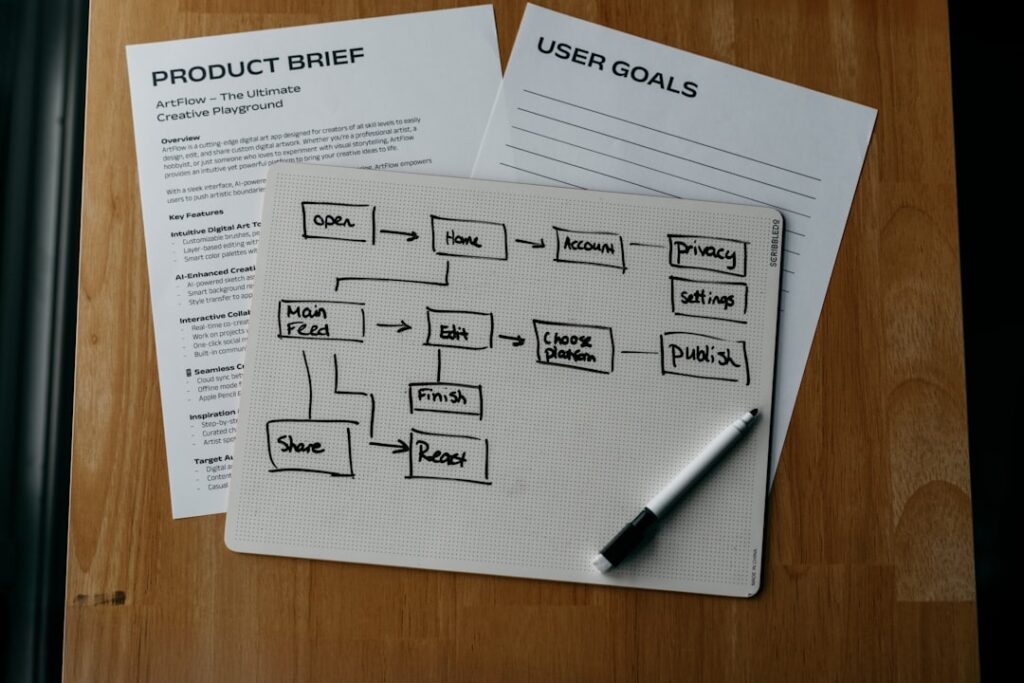
Run a 30-day test you can actually finish: build 1 template, publish 20–30 pages, and track two things weekly in Google Search Console: impressions (are you getting discovered?) and clicks/conversions (are pages worth keeping?). If pages get impressions but no clicks, improve titles/meta and add real local proof. If they get clicks but no leads, tighten the offer and CTAs.
Contact ClearPost today to schedule a consultation. We’ll help you choose the right page matrix, generate draft pages quickly, and keep you in control with an approval workflow so nothing goes live without your sign-off. Get started with ClearPost (7-day trial, cancel anytime, zero commitment).
Frequently Asked Questions
Is programmatic SEO safe for a small business website?
Yes—if you keep quality high. Start with a small set of pages, use unique local details, and require human review before publishing so you don’t create thin or inaccurate content at scale.
How many programmatic pages should I publish first?
Start with 20–30 pages so you can test indexing, rankings, and conversions without flooding your site. Expand only after you see impressions and engagement for the first batch.
What’s the best programmatic SEO page type for local service businesses?
Service-area pages (service + city) are usually the highest leverage. Add supporting FAQ or checklist pages if customers research before buying.
How long does programmatic SEO take to work?
You can see early impressions in weeks, but meaningful traffic and leads often take 3–6 months depending on competition, site authority, and how useful the pages are.
Do I need a developer to do programmatic SEO on WordPress?
Not always. Many teams can do it with templates, custom fields, and automation tools, but you may want help if you need custom post types, complex data imports, or advanced schema and internal linking.
Install ClearPost free on WordPress.org. Set up in 2 minutes, approve every post before it goes live.