

Most “best AI writer” roundups are written by people who spent 20 minutes with each tool and then copied the pricing page. You’ve probably read a few. They list 15 tools, give each a star rating, and don’t tell you a single thing that would help you actually choose one.
This one is different. At ClearPost, we work with small business owners and lean marketing teams running WordPress sites every day. We tested these tools on the four criteria that actually matter for your workflow: brand voice consistency, factual accuracy, SEO optimization, and WordPress integration. We also broke down what you’ll really pay once you account for add-ons, seat pricing, and the integrations the headline price omits.
What We Actually Tested (And Why Most AI Writer Reviews Are Useless)
Most reviews fail because they test tools in isolation. They ask an AI to write one blog post, grade it on vibes, and move on. That tells you nothing about whether the tool holds up when you’re publishing 10 posts a month, managing a WordPress calendar, and trying not to embarrass your brand.
Here’s the testing framework we used, and why each dimension matters:
Brand Voice Consistency
We fed each tool the same style brief and asked it to produce three posts in sequence. The question: does the voice hold across all three, or does it drift into generic corporate copy by the second paragraph? Research on AI content homogenization shows this is the most common failure mode. When 74.2% of new web pages now contain detectable AI-generated content, and every major tool draws from the same training data, competitive sameness is the default outcome without systematic voice controls.
Factual Accuracy
We included verifiable claims in every brief, then checked the output against known sources. One of the most significant limitations of AI writing is its tendency to generate false or misleading information, a phenomenon known as “hallucination,” where even confident and well-structured text may include fabricated statistics, misquoted sources, or events that never occurred. We scored each tool on how often it invented data versus staying grounded.
SEO Optimization
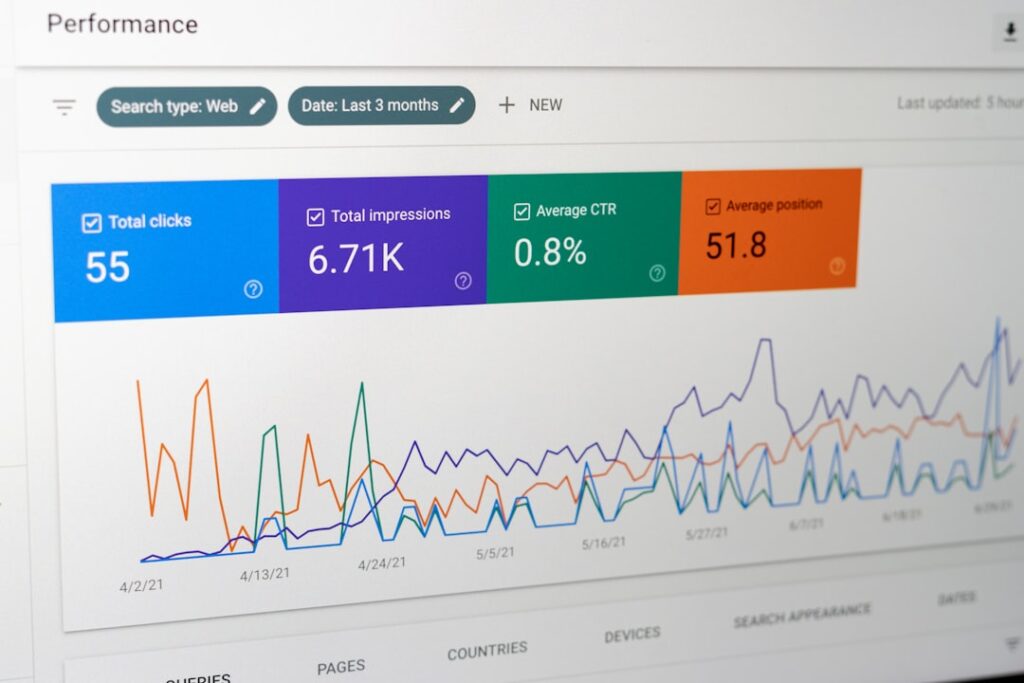
We tested whether each tool naturally structures content around a target keyword, uses proper heading hierarchy, includes semantically related terms, and produces posts that meet Google’s E-E-A-T standards. A tool that saves 20 minutes but requires an hour of SEO cleanup isn’t saving anything.
WordPress Integration
This is the step most reviews skip entirely. A writing tool does not pick your topic, build your brief, push the page to your CMS, or tell you if it ranked. We tested how each tool connects (or doesn’t) to a WordPress workflow: does it export cleanly, support direct publishing, or require manual reformatting every time?
The 4 AI Writers That Passed Our Quality Bar

Out of the tools we put through these tests, four earned a genuine recommendation for WordPress-focused small business teams. Here’s where each one stands.
| Tool | Best For | Starting Price | Brand Voice | WordPress Integration | SEO Built-In |
|---|---|---|---|---|---|
| Claude Pro | Raw long-form drafting, low-edit output | $20/mo | Good with prompting | Manual (copy/paste) | No |
| Jasper Pro | Brand voice at scale, campaign consistency | $59/mo | Strong (Brand Voice feature) | Via Chrome extension | Requires Surfer add-on |
| Writesonic | Budget-conscious teams needing SEO + drafts | ~$20/mo | Moderate | Limited direct publish | Basic (Surfer add-on for full) |
| Frase | SEO-first research-to-draft workflow | $45/mo | Moderate | Yes (native WordPress) | Strong (built-in SERP analysis) |
Claude Pro: The Best Raw Drafter at $20/Month
Claude is the clearest winner if writing quality itself is your main criterion. It produces the most natural tone, the best long-form coherence, and the lowest-edit drafts. If you want a 2,000-word post that needs light cleanup instead of a rewrite, Claude is the pick. In our editing burden tests, it required less rework per 1,000 words than any other general-purpose model we tried.
The honest trade-off: Claude is a raw drafting engine. It has no SEO scoring, no WordPress integration, no brand voice training system, and no direct publish button. While it does not focus on marketing templates or SEO-specific workflows, its reasoning and analysis capabilities are among the strongest in the industry. You’ll copy-paste every post into WordPress manually, which adds friction at scale. For a solo blogger publishing twice a month, that’s fine. For a team trying to maintain a weekly cadence, it’s a bottleneck.
Jasper Pro: The Brand Voice Specialist
Jasper is the tool to reach for when brand consistency across a team is non-negotiable. Jasper AI makes the most sense when you need repeatable marketing copy across blogs, emails, and landing pages. Its strength is control. Brand voice settings and templates, along with team workflows, reduce drift, which matters when several people touch the same campaign.
The honest trade-off: The sticker price is deceptive. Jasper’s headline pricing hides three real costs: the Surfer SEO subscription, per-seat scaling, and Brand Voice caps that push teams into custom pricing. The real cost of running Jasper for SEO content production is closer to $158/month per seat (Jasper Pro annual plus Surfer Standard), not $59. If you only have one brand and one writer, the Pro plan at $59/month is genuinely useful. The moment you need a second seat or a third brand voice, costs escalate fast.
Writesonic: The Budget Pick With Real Caveats
Writesonic is the low-cost option, starting around $16 to $19 a month, blending general drafting with a Surfer-style SEO editor for marketers who want quick content with some structure. For lean teams that need volume without a large budget, it clears the bar. The Article Writer feature pulls live data into drafts, which helps with factual grounding.
The honest trade-off: Writesonic is reasonably priced at the entry tier, but where it struggles is tier consistency and the fact that you’ll still need a separate tool to publish what it writes. Jasper is deeper on brand voice consistency. If that’s your priority, Jasper has better training methodology and longer-form coherence. Writesonic is a solid choice for high-volume, lower-stakes content. It’s not where you turn for work that represents your brand at its best.
Frase: The SEO-First Choice for WordPress Teams
Frase earned its place here because it’s one of the few tools that genuinely connects research, drafting, and publishing in a single workflow. Frase delivers exceptional value by combining SERP research, AI writing, and content optimization in one streamlined platform. Its “Content Opportunities” feature links to your Google Search Console and flags content that is beginning to drop in rank. It also offers integrations with Google Docs and WordPress, which helps it fit into existing workflows.
The honest trade-off: The AI-generated content often feels generic and repetitive. You’ll need to edit heavily before publishing. Frase is strongest as a research and brief-building tool. Its AI writer is a starting point, not a finishing point. Think of it as a framework generator that saves 40 minutes of SERP research per post, not a tool that hands you a publish-ready draft.
Pricing Reality Check: What You’ll Actually Pay Per Month
The headline price on any AI writing tool’s pricing page is rarely what you actually pay. Here’s the honest math for each tool at a realistic small business usage level: one writer, one brand, 8 to 10 long-form posts per month.
| Tool | Advertised Starting Price | Realistic Monthly Cost | What Drives It Up |
|---|---|---|---|
| Claude Pro | $20/mo | $20–$32/mo | Add Grammarly Premium ($12) for editing polish |
| Jasper Pro | $59/mo | $158+/mo | Surfer SEO required for real optimization ($99/mo separately) |
| Writesonic | ~$20/mo | $20–$59/mo | Tier jumps for more words or team seats; Surfer still separate |
| Frase | $45/mo | $45–$115/mo | Basic plan limits AI words heavily; Team plan needed for volume |
A few things worth calling out explicitly:
The Surfer SEO trap: Jasper’s Surfer SEO integration is one of the platform’s most valuable features for SEO content teams, but the actual Surfer SEO subscription, which provides keyword research, content briefs, and SERP analysis, runs separately. The same applies to Writesonic’s integration. Budget for it or choose Frase, which bundles SERP analysis natively.
The seat problem: If you add another writer, need more Brand Voices, or manage more client accounts with Jasper, you’ll have to move to the custom Business plan. That’s a steep jump with no published price. For agencies managing multiple WordPress client sites, this math gets ugly fast.
The word cap surprise: Frase’s Basic plan includes 4,000 AI-generated words per month, enough for about 3 to 4 short articles. For heavier AI writing usage, you’ll need the Team plan or additional AI word credits. This is one of the more restrictive AI word allowances in the category at $45/month.
The bottom line: the AI writing tool market in 2026 has three clean buckets. Solo writers and budget-conscious bloggers do well with Claude Pro or ChatGPT Plus at $20/month. SEO-focused content teams should consider Writesonic or Frase in the $39 to $89 range. Marketing teams managing multiple brands need Jasper Pro or higher.
If you want to skip the tool-stacking entirely and just get posts published to your WordPress site on a predictable schedule, ClearPost handles the full loop from brief to publish, with you approving every post before it goes live. AI does the heavy lifting. You stay in control.
The Honest Trade-Offs: What AI Writers Can’t Do (Yet)

The skepticism is understandable. Early AI content was easy to spot. The current generation is genuinely better. But there are still four areas where no AI writer tool replaces human judgment, and knowing them upfront saves you from publishing something embarrassing.
Original Research and Primary Sources
AI cannot generate original insights from its training data. It can only recombine existing patterns. If your competitive edge is proprietary data, customer interviews, or original survey results, no AI writer can produce that. It can frame and format the content around your findings. The findings themselves have to come from you.
Nuanced Brand Voice at Depth
Tools like Jasper get you a long way. But while AI maintains consistent adherence to documented guidelines, it cannot autonomously evolve brand voice in response to market shifts or strategic pivots. Because large language models are trained on existing text, they tend to reinforce common expressions rather than offering varied or precise language. This habit can make AI content predictable and unmemorable, especially when aiming for a distinctive brand or editorial voice.
The fix: treat AI as the first draft engine, not the final editor. Your voice lives in the revision, not in the prompt.
Local Expertise and Contextual Knowledge
An AI writing tool can tell you that a local SEO strategy matters. It cannot tell your readers that the best parking for your downtown location is the garage on Third Street, or that your regional market has a quirk that national competitors always miss. That local texture is what turns a generic article into content that actually converts for a local business. No best AI writer tool generates it. You do.
Fact-Checking Without Human Verification
Even the best tools hallucinate. Statistics get invented. Citations get fabricated. A tool that saves 20 minutes but adds factual errors isn’t saving anything. Every post that carries your brand’s name needs a human review pass before it goes live. This is not a limitation to work around. It’s the editorial standard your readers deserve.
AI removes the production bottleneck. Your expertise and brand credibility still drive the outcome. That’s the correct framing: AI is a force multiplier, not a replacement. Without direction, AI writes the average of everything it has read, producing safe, forgettable content that sounds like every other blog. The human brief, the editorial layer, and the approval step are what make the output worth publishing.
How to Choose the Best AI Writer for Your WordPress Site
The right answer depends on three things: your budget, your use case, and how much editorial control you want to maintain. Here’s a practical framework.
If Your Budget Is Under $30/Month
Start with Claude Pro at $20/month. It produces the cleanest long-form drafts of any tool at this price point, requires less editing than ChatGPT, and doesn’t lock you into a proprietary template system. You’ll handle SEO and WordPress publishing manually, which is manageable at lower volume. Add Grammarly’s free tier for a final polish pass and you have a capable writing stack for $20 flat.
If SEO Rankings Are Your Primary Goal
Frase is the most efficient single-tool option. It pulls SERP data, builds a competitive brief, handles AI drafting, and connects directly to WordPress, all without requiring a separate Surfer subscription. Frase’s complete research-to-publish workflow makes it ideal for small businesses and individual creators who need affordable, comprehensive content creation capabilities rather than advanced optimization features. Budget for the Team plan if you’re publishing more than four articles per month on the Basic plan’s word limits.
If Brand Voice Consistency Is Non-Negotiable
Jasper Pro is the correct choice, but budget honestly. For serious bloggers producing four or more posts monthly, Jasper’s Creator plan is often cheaper than hiring freelance writers at $50 to $150 per post. That math holds up at lower volume. At higher volume with a team, the per-seat costs and Surfer add-on push the real monthly number significantly higher. Go in with eyes open.
If You’re an Agency or Multi-Site Operator
No standalone AI writer tool solves the multi-client problem cleanly. You end up stitching together a drafter, an SEO tool, a brief system, and a WordPress publisher. Writing tools like ChatGPT, Jasper, and Surfer generate or optimize text, but they stop at the draft. A human still has to fact-check, format, add internal links, push it to the CMS, and hit publish. That handoff is the step every listicle skips. If you’re managing 10 or more WordPress sites, an integrated solution that handles the full loop will save you more time than any single-point tool.
Quick Decision Framework
| Your Situation | Best Starting Point | Realistic Monthly Cost |
|---|---|---|
| Solo blogger, low volume, tight budget | Claude Pro | $20/mo |
| Small team, SEO-first, WordPress-centric | Frase Team Plan | $45–$115/mo |
| Brand-conscious marketer, multiple campaigns | Jasper Pro + Surfer | $158+/mo |
| Agency, 10+ WordPress sites, full pipeline | Integrated platform (e.g., ClearPost) | Varies by scope |
To be fair: agencies aren’t the wrong answer for every business. If you’re in a highly regulated industry, producing deeply technical content, or managing enterprise brand governance, a managed content service with specialist writers may still be the right call. The honest question is whether the per-post economics make sense at your current volume and whether you’re seeing the traffic results that justify the spend.
Frequently Asked Questions
Start With a Trial (Here’s What to Test First)
Before committing to any tool, run the same test on each one: give it a brief for a post you already know well, a topic where you understand the right answer. Grade it on how much editing the output actually needs before it’s publishable on your site. That editing burden is the real cost the pricing page won’t show you.
If you’re currently copy-pasting from ChatGPT into WordPress, reformatting headings manually, adding your own internal links, and spending 90 minutes per post on cleanup, you’re already doing this the hard way. There’s a better workflow.
At ClearPost, we’ve built the system around exactly this problem: AI handles the research, brief, draft, and SEO optimization. You approve every post before it goes live. Nothing publishes without your sign-off. No agency overhead, no long-term contract, no embarrassing generic content that makes your brand look like a press release from 2019.
Try ClearPost free for 7 days. AI does the heavy lifting, you approve every post before it goes live. No long onboarding, no agency overhead, cancel anytime.
Frequently Asked Questions
What is the best AI writer tool for a small business on a tight budget?
Claude Pro at $20/month delivers the cleanest long-form drafts of any tool at this price. It requires less editing than ChatGPT or Gemini, and produces natural-sounding content without locking you into an expensive platform. The trade-off is manual WordPress publishing and no built-in SEO scoring. If SEO is critical, Frase at $45/month adds SERP research and WordPress integration in one tool.
Does Google penalize AI-generated content?
Google’s guidance focuses on content quality and E-E-A-T (Experience, Expertise, Authoritativeness, Trustworthiness), not the method of production. AI-generated content that is accurate, helpful, and reviewed by a human before publishing is treated the same as human-written content, a finding our AI vs. human content test also confirmed. The risk comes from publishing unedited AI output with hallucinated facts, thin coverage, or no original insight — not from using AI as part of the writing process.
What’s the real monthly cost of Jasper AI for a small team?
Jasper Pro is listed at $59/month, but realistic costs for a team producing SEO content are closer to $158/month or more per seat once you add Surfer SEO (required for proper optimization and billed separately at $99/month). Teams that need multiple seats or brand voices will need to contact Jasper for custom Business pricing, which starts significantly higher.
Can AI writing tools match my specific brand voice?
They can get close, but not fully. Tools like Jasper offer structured Brand Voice training that reduces drift across team members and campaigns. However, AI cannot autonomously evolve your brand voice in response to strategic shifts, and models trained on broad internet data tend to regress toward generic patterns without strong prompting and human editorial oversight. Plan to treat AI output as a first draft, not a final one.
What can’t AI writing tools do that human writers can?
AI writers cannot conduct original research, produce insights from proprietary data or customer interviews, add genuine local expertise, or fact-check their own output reliably. They also cannot replace the editorial judgment required to evolve a brand’s voice over time. These are the areas where human review and input remain essential — AI is best used as a production accelerator, not a replacement for human expertise.
Head-to-Head Comparisons
Want a deeper look at how ClearPost compares to specific alternatives? These detailed breakdowns cover features, pricing, and real differences: