
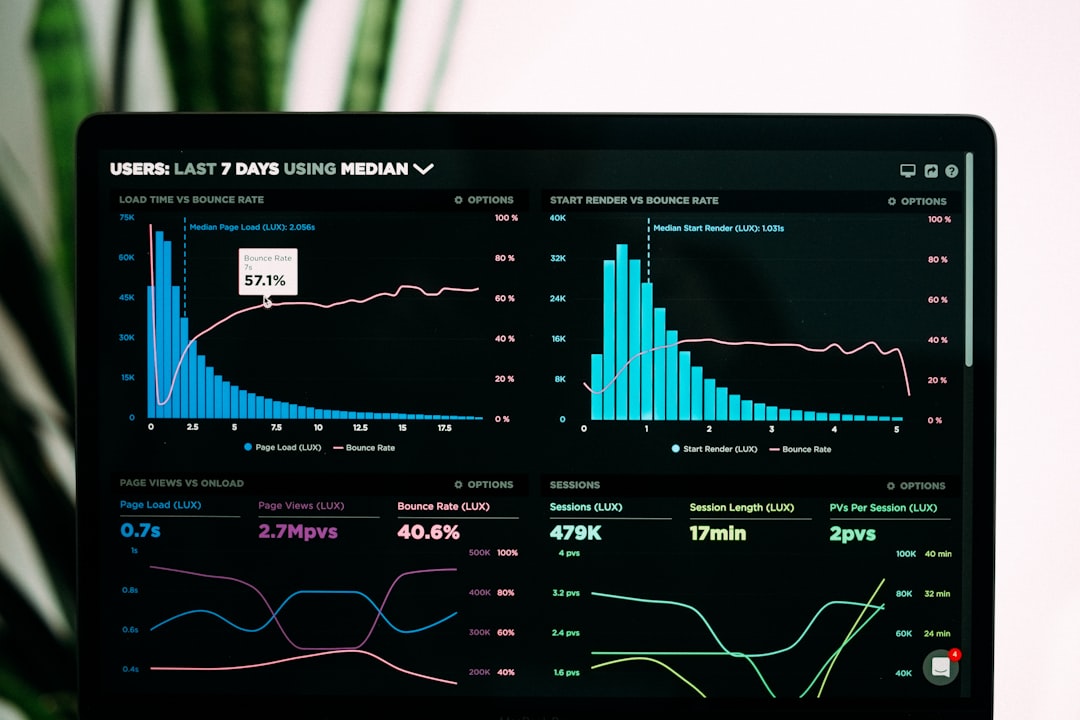
You’re spending $3,500 a month — maybe more — on SEO retainer fees. Your agency sends monthly reports, promises are made, and somewhere around month four, you’re still refreshing Google Analytics waiting for traffic that hasn’t moved. Sound familiar?
Small businesses typically invest $1,500 to $3,500 monthly on SEO agencies, and that’s on the conservative end. Meanwhile, a new generation of AI-powered tools has quietly made it possible to run a real SEO program — keyword research, content optimization, technical audits, and rank tracking — for a fraction of that cost. Not a toy version. An actual workflow.
This guide isn’t a list of every AI SEO tool on the market. It’s the specific stack we’d recommend to a solo founder or a two-person marketing team who needs results without burning the budget on overhead. We’ll be direct about what each tool costs, what it replaces, and where you’ll still need a human in the loop.
The Problem with Most “AI SEO Tool” Roundups
Most tool roundups have the same problem: they review 25 tools, rank them by feature count, and leave you more confused than when you started. That’s not useful if you’re a solo founder deciding how to spend $200/month, or a lean team trying to kill a $4,000 agency retainer.
Here’s the honest truth about the AI SEO tool market right now: finding the right AI SEO tool is tricky because not all solutions are effective, accurate, or worthwhile. Many tools over-promise full automation and under-deliver on the fundamentals — the stuff that actually moves rankings.
The other issue is that most roundups treat all businesses the same. A solo blogger publishing four posts a month has completely different needs than a three-person SaaS marketing team managing 80 pages of content. Tool recommendations need to reflect that reality.
So here’s what this guide actually does: it identifies the minimum number of tools you need to cover the core jobs — content optimization, keyword research, technical auditing, and rank tracking — and recommends the most cost-effective option for each job, based on your business stage. No filler. No affiliate-rank stuffing.
The Minimum Viable AI SEO Stack (Under $200/Month)
Four tools cover 70% of what a traditional SEO agency does. Each one handles a specific job. Together, they form a repeatable weekly workflow that doesn’t require an SEO expert to run.
Tool 1: AI Content + Optimization — Surfer SEO or NeuronWriter

Replaces: Content writers + on-page SEO specialists. Cost: $79–$99/month (Surfer) or $19–$45/month (NeuronWriter).
This is where most of your SEO budget goes when you hire an agency: writing content and optimizing it for target keywords. AI content optimization tools automate the research side of that equation — analyzing what the top-ranking pages do, then giving you a data-backed brief to write against.
Surfer SEO is an advanced content optimization platform designed to help you create SEO-friendly content that ranks. It works by analyzing over 500 on-page signals from top-ranking pages for your target keywords, then providing actionable recommendations to improve your own content. The real-time content scoring and competitive breakdown remove most of the guesswork from on-page SEO.
If budget is tight, NeuronWriter is the closest alternative at a significantly lower price. NeuronWriter is the closest budget alternative to Surfer’s core workflow. It offers NLP-driven content scoring, SERP analysis, competitor content breakdowns, and an in-editor optimization grade that updates as you write — the same real-time feedback loop that defines Surfer’s Content Editor, but at a fraction of the price.
The honest tradeoff: AI SEO content optimization tools still can’t replace the content strategist, writer, or editor. But most professionals use them for research, SERP analysis, brief creation, drafting, content gap analysis, and on-page optimization. You still need to review and edit AI-assisted drafts before publishing. That’s non-negotiable.
Pick Surfer if you publish 8+ posts per month and want a polished workflow with Google Docs integration. Pick NeuronWriter if you’re under budget pressure and publish fewer than 8 pieces monthly — NeuronWriter’s Bronze plan at $19/month is far cheaper than Surfer SEO’s entry-level plan, and it covers the core optimization workflow. For teams that also need schema markup, sitemaps, and technical SEO controls, a WordPress SEO plugin like AIOSEO handles the on-site optimization layer these content tools leave to you.
Tool 2: Keyword Research + Competitor Analysis — SE Ranking
Replaces: Ahrefs or Semrush at $129–$139/month. Cost: ~$65–$95/month (depending on plan).
Keyword research and competitor analysis are two of the most valuable things an agency does — and they’re also where agencies charge the most overhead for work that a good tool can largely automate.
SE Ranking delivers 80% of what premium tools offer at roughly 30% of the price. For budget-conscious small businesses, it’s the best value in the market. It handles keyword tracking, site audits, backlink monitoring, and competitor research in one platform — without the confusing credits system that Ahrefs switched to in 2023.
What sets SE Ranking apart from competitors like Ahrefs and Semrush is its straightforward white label capabilities and predictable pricing structure with no confusing credit systems or surprise overages. The platform delivers accurate keyword tracking across 100+ search engines, detailed site audits, and backlink monitoring.
For context: SE Ranking’s Professional plan is $95 per month, compared to $208–$388 for the same Ahrefs access, and the savings can be significant and quickly add up. For a small team that doesn’t need Ahrefs’ depth of backlink data, that’s money that stays in your pocket.
The one honest limitation: if link-building is your primary SEO strategy and you need Ahrefs’ industry-leading backlink database depth, SE Ranking’s backlink index is smaller. For most content-focused small businesses, though, it covers what you actually need day-to-day.
Tool 3: Technical SEO Monitoring — Screaming Frog + Google Search Console (Free)
Replaces: Monthly agency technical audits at $500–$1,500/audit. Cost: Free (under 500 URLs) or ~$23/month (paid annual license).
Agencies love billing for monthly technical SEO audits. The reality? For a site with fewer than 200 pages, a well-configured free tool stack catches 80% of the same issues — and runs on demand, not on a billing cycle.
Google Search Console, PageSpeed Insights, and Screaming Frog (free version) cover 80% of the needs of a basic technical audit. These tools connect directly to Google’s data, which is something no third-party platform can replicate.
The Screaming Frog SEO Spider is a website crawler that helps you improve onsite SEO by auditing for common SEO issues. Download and crawl 500 URLs for free, or buy a licence for €245 per year to remove the limit and access advanced features. It identifies over 300 SEO issues, warnings, and opportunities to improve SEO, website health, and user experience.
The workflow is straightforward: run Screaming Frog monthly (or after major site updates), use Google Search Console to monitor indexing status and Core Web Vitals in real time, and use PageSpeed Insights to diagnose performance issues. Free tools connect directly to Google’s own data. Google Search Console and Google Analytics 4 pull from the same index Google uses to rank pages. No paid tool can offer that level of data fidelity.
If your site grows beyond 500 pages, the paid Screaming Frog license at roughly $23/month (billed annually) unlocks unlimited crawling and advanced features including JavaScript rendering and schema validation — still cheaper than a single agency audit.
Tool 4: Rank Tracking + Reporting — SE Ranking (Bundled) or Google Search Console
Replaces: Manual weekly rank tracking and agency reporting decks. Cost: Included in your SE Ranking subscription.
Rank tracking is one of those tasks that agencies charge hundreds of dollars a month to do — and then present in a PDF you spend 10 minutes reading. With SE Ranking bundled into your keyword research subscription, automated rank reports run on a schedule and land directly in your inbox or dashboard.
For sites just getting started, Google Search Console’s performance report is genuinely powerful — and free. For most websites, the best free SEO tool overall is Google Search Console. It gives you direct visibility into impressions, clicks, average position, indexing status, URL inspection, sitemap processing, and issue reporting. No other free tool combines search performance and technical visibility so effectively.
At ClearPost, we integrate directly with Google Search Console so you can see real search performance data alongside your content — no manual exports, no spreadsheet gymnastics. You approve every post before it goes live, and you always have a clear line of sight into what’s actually driving traffic.
What Each Tool Replaces from Your Agency Bill (Cost Breakdown)

Here’s the side-by-side comparison that most agency retainer conversations never show you:
| Job to Be Done | Traditional Agency Cost | AI Tool Replacement | Monthly Cost |
|---|---|---|---|
| Content writing + on-page SEO | $800–$2,000/month | Surfer SEO or NeuronWriter | $19–$99 |
| Keyword research + competitor analysis | $300–$600/month | SE Ranking | $65–$95 |
| Technical SEO audits | $500–$1,500/audit | Screaming Frog + Google Search Console | Free–$23 |
| Rank tracking + monthly reporting | $200–$400/month | SE Ranking (bundled) + GSC | Included |
| Total | $1,800–$4,500/month | Full AI stack | ~$84–$217/month |
The 30% that AI doesn’t replace: link building outreach, brand strategy, PR, and the genuine subject-matter expertise that makes content actually useful to readers. AI is a force multiplier, not a magic bullet. An AI SEO approach uses technology to automate data analysis, technical audits, and content scaling — but it must be guided by expert human strategy focused on your business goals. If you’re building a content-led business, the human review layer is what separates you from the noise.
How to Choose Tools Based on Your Business Stage

The right tool stack depends less on your company size and more on where you are in the content lifecycle. Here’s how to think about it.
If You’re Just Starting (Under 10 Posts Published)
Don’t pay for anything yet. Set up Google Search Console and Google Analytics first — these are free and essential. Google Search Console is the single best free SEO tool available, full stop. It gives you data from Google’s own index: impressions, clicks, average position, and Core Web Vitals by device type. No paid alternative touches that data quality for ranking analysis.
Add the free version of Screaming Frog for technical audits, and use Google’s free tools for keyword research (Google Keyword Planner, Google Trends). Once you have 10 pieces of content live and indexed, you’ll have enough data to know which paid tools are actually worth it for your specific situation.
Budget at this stage: $0/month. Build the content foundation first.
If You’re Scaling (10–100 Posts Published)
This is where the minimum viable stack pays for itself. You have enough content to see patterns — pages that nearly rank, keywords where you’re on page two, competitors whose content you can reverse-engineer. Those are the opportunities that paid tools surface quickly.
Start with SE Ranking for keyword research and rank tracking (~$65–95/month), then add NeuronWriter for content optimization (~$19–45/month). That’s a full SEO workflow for under $140/month. Recent data shows that 60% of marketers have started using or scaling AI in their operations — at this stage, you’re simply making sure you’re in that group without overpaying for it.
Budget at this stage: $84–$140/month. SE Ranking + NeuronWriter.
If You’re Established (100+ Posts, Multiple Authors)
At this stage, the full stack makes sense. Upgrade NeuronWriter to Surfer SEO for better team collaboration and more powerful content auditing. Add the paid Screaming Frog license for deeper technical crawls. Consider Surfer’s Scale plan if you’re managing multiple writers or sites.
You’ll also want to start thinking about content that works not just in traditional search but in AI-generated answers. Research analyzing 10,000 real-world queries found that pages with structured lists, quotes, and statistics had 30–40% higher visibility in AI-generated responses. At 100+ posts, retrofitting your existing content for this kind of structured clarity is a major opportunity.
Budget at this stage: $150–$217/month. Surfer Scale + SE Ranking Growth + Screaming Frog.
The Tools We Tested That Didn’t Make the Cut (And Why)
Transparency matters here. Several tools get heavy promotion in roundups because of affiliate commissions, not because they’re the best fit for lean teams. Here’s the honest version.
Semrush Pro ($139/month+): It’s a genuinely powerful platform — Semrush has earned its reputation as one of the best solutions for everything SEO, from keyword research to backlink analysis and site audits. But for a solo founder or small team, you’re paying for enterprise-level feature breadth that you’ll use maybe 20% of. SE Ranking covers the practical use cases at a fraction of the price.
Clearscope ($189/month): Clearscope is a premium content optimization platform for agencies and editorial teams. At $189/month, it delivers an A–F content grading system, precise keyword and related keyword suggestions, unlimited user accounts, content inventory tracking, and a smooth Google Docs integration. The accuracy is excellent. But unless you have multiple writers and a content team workflow, NeuronWriter or Surfer accomplish the same core job for less.
AI “all-in-one” platforms ($249+/month): Several newer platforms promise to handle everything — content, SEO, AI visibility tracking — in one subscription starting at $249/month or more. At that price point, you’re usually getting a bundle of mediocre tools rather than one excellent tool per job. For most small teams, modular and focused beats integrated and bloated.
Fully managed AI SEO services ($999+/month): If you genuinely have no capacity to run tools yourself and need someone to handle everything, managed services exist. But understand what you’re buying: the convenience premium is real and substantial. For most businesses reading this, learning to run the stack yourself — even one hour a week — pays off faster.
How to Stack These Tools into a Weekly Workflow

Owning tools doesn’t build traffic. Using them consistently does. Here’s a practical weekly cadence that takes roughly 90 minutes and covers all four SEO functions.
Monday (20 minutes) — Keyword pulse check. Open SE Ranking, scan your rank tracking dashboard for any significant position changes from the prior week. Flag any pages that dropped more than five positions — these need attention before you move on to new content.
Tuesday–Thursday (60 minutes) — Content creation sprint. Use NeuronWriter or Surfer to brief and draft one piece of content. Run the target keyword through the content editor, review the optimization score against competitors, write your draft against that brief, and aim for a score in the top 20% of ranked pages. Review and edit before scheduling. At ClearPost, you approve every post before publication — no surprises.
Friday (10 minutes) — Technical check-in. Quick review of Google Search Console for any new crawl errors or indexing issues. If you published new content this week, request indexing via the URL Inspection tool. Run a Screaming Frog crawl once per month (not weekly) to catch structural issues.
That’s it. Ninety minutes per week, four tools, one workflow. The first month is the hardest — learning the tools, calibrating your keyword targets, finding your content rhythm. By month two or three, you’ll have a system that runs itself.
Organic search still drives 53% of all website traffic and converts at rates far superior to paid channels. The top organic positions still capture the majority of clicks for queries without AI summaries. Well-executed SEO strategies continue delivering extraordinary results for businesses with differentiated content and strong technical foundations. The businesses that win are the ones who build consistent systems — not the ones who spend the most.
Frequently Asked Questions
Try the Stack: Start with Tool #1 Free, Add the Rest as You Grow
The hardest part isn’t choosing the tools — it’s building the habit of using them. Here’s the lowest-friction path forward: start with Google Search Console and Screaming Frog’s free version today. Get comfortable reading the data. Add SE Ranking when you’re ready to start tracking competitors and ranking changes systematically. Add a content optimizer (NeuronWriter to start, Surfer when you’re publishing consistently) once you have a content workflow in place.
At ClearPost, we’ve built an AI-assisted content system specifically for WordPress site owners who are done paying agency overhead for results they can’t verify. You get AI-generated, SEO-optimized posts drafted around your target keywords — and you approve every one before it goes live. No long onboarding. No 12-month contract. No guessing what your agency is actually doing each month.
Ready to see how it fits into your workflow? Start your free 7-day trial at ClearPost — zero commitment, cancel anytime, and you stay in control of every post that goes out. The tools above handle the data. ClearPost handles the content. You run the strategy.
Frequently Asked Questions
Can AI SEO tools fully replace an agency?
For most small businesses and lean marketing teams, AI SEO tools can replace 60–70% of what a traditional agency does: keyword research, content optimization, technical audits, and rank tracking. What they can’t fully replace is strategic direction, link-building outreach, brand positioning, and genuine subject-matter expertise. The honest answer: AI tools are a force multiplier for people who want control and consistency, not a substitute for every agency function. See our full comparison of automated SEO tools for WordPress for a detailed feature-by-feature breakdown.
How much does a minimum viable AI SEO stack actually cost?
A practical minimum viable stack — SE Ranking for keyword research and rank tracking, NeuronWriter for content optimization, and Screaming Frog plus Google Search Console for technical auditing — runs approximately $84 to $140 per month. If you upgrade to Surfer SEO and the paid Screaming Frog license, the top-end budget is around $200–$217/month. Compare that to $1,500–$3,500/month for a typical small business SEO agency retainer.
Is SE Ranking accurate enough to replace Ahrefs or Semrush?
For most small businesses and content-focused teams, yes. SE Ranking covers keyword research, rank tracking, site audits, competitor analysis, and backlink monitoring at roughly one-third the cost of Ahrefs or Semrush. The main limitation is backlink database depth — Ahrefs has a significantly larger backlink index, which matters most if link-building is your primary SEO strategy. For content-led SEO, SE Ranking handles the practical day-to-day requirements well.
Do I need to use all four tools from day one?
No. If you have fewer than 10 published posts, start with free tools only: Google Search Console, Google Analytics, and the free version of Screaming Frog. Add paid tools once you have enough content to see patterns and enough traffic data to justify the investment. The order we recommend: 1) Google Search Console and Screaming Frog free (now), 2) SE Ranking (when you have 10+ posts), 3) NeuronWriter or Surfer (when you’re publishing consistently), 4) Paid Screaming Frog license (when your site exceeds 500 pages).
How long before AI SEO tools produce results?
SEO results — with any tool — take three to six months to compound meaningfully. What AI tools speed up is the research and production cycle: you can write better-optimized content faster, identify keyword opportunities earlier, and catch technical issues before they compound. The underlying timeline for organic rankings to shift doesn’t change. Anyone promising dramatic traffic gains in 30 days from any tool is not being honest with you.
{“@context”: “https://schema.org”, “@type”: “FAQPage”, “mainEntity”: [{“@type”: “Question”, “name”: “Can AI SEO tools fully replace an agency?”, “acceptedAnswer”: {“@type”: “Answer”, “text”: “For most small businesses and lean marketing teams, AI SEO tools can replace 60–70% of what a traditional agency does: keyword research, content optimization, technical audits, and rank tracking. What they can’t fully replace is strategic direction, link-building outreach, brand positioning, and genuine subject-matter expertise. The honest answer: AI tools are a force multiplier for people who want control and consistency, not a substitute for every agency function. See our full comparison of automated SEO tools for WordPress for a detailed feature-by-feature breakdown.”}}, {“@type”: “Question”, “name”: “How much does a minimum viable AI SEO stack actually cost?”, “acceptedAnswer”: {“@type”: “Answer”, “text”: “A practical minimum viable stack — SE Ranking for keyword research and rank tracking, NeuronWriter for content optimization, and Screaming Frog plus Google Search Console for technical auditing — runs approximately $84 to $140 per month. If you upgrade to Surfer SEO and the paid Screaming Frog license, the top-end budget is around $200–$217/month. Compare that to $1,500–$3,500/month for a typical small business SEO agency retainer.”}}, {“@type”: “Question”, “name”: “Is SE Ranking accurate enough to replace Ahrefs or Semrush?”, “acceptedAnswer”: {“@type”: “Answer”, “text”: “For most small businesses and content-focused teams, yes. SE Ranking covers keyword research, rank tracking, site audits, competitor analysis, and backlink monitoring at roughly one-third the cost of Ahrefs or Semrush. The main limitation is backlink database depth — Ahrefs has a significantly larger backlink index, which matters most if link-building is your primary SEO strategy. For content-led SEO, SE Ranking handles the practical day-to-day requirements well.”}}, {“@type”: “Question”, “name”: “Do I need to use all four tools from day one?”, “acceptedAnswer”: {“@type”: “Answer”, “text”: “No. If you have fewer than 10 published posts, start with free tools only: Google Search Console, Google Analytics, and the free version of Screaming Frog. Add paid tools once you have enough content to see patterns and enough traffic data to justify the investment. The order we recommend: 1) Google Search Console and Screaming Frog free (now), 2) SE Ranking (when you have 10+ posts), 3) NeuronWriter or Surfer (when you’re publishing consistently), 4) Paid Screaming Frog license (when your site exceeds 500 pages).”}}, {“@type”: “Question”, “name”: “How long before AI SEO tools produce results?”, “acceptedAnswer”: {“@type”: “Answer”, “text”: “SEO results — with any tool — take three to six months to compound meaningfully. What AI tools speed up is the research and production cycle: you can write better-optimized content faster, identify keyword opportunities earlier, and catch technical issues before they compound. The underlying timeline for organic rankings to shift doesn’t change. Anyone promising dramatic traffic gains in 30 days from any tool is not being honest with you.”}}]}